Tag: Europe

  • AOC Blasts FDA Sunscreen Regulations

    AOC Blasts FDA Sunscreen Regulations

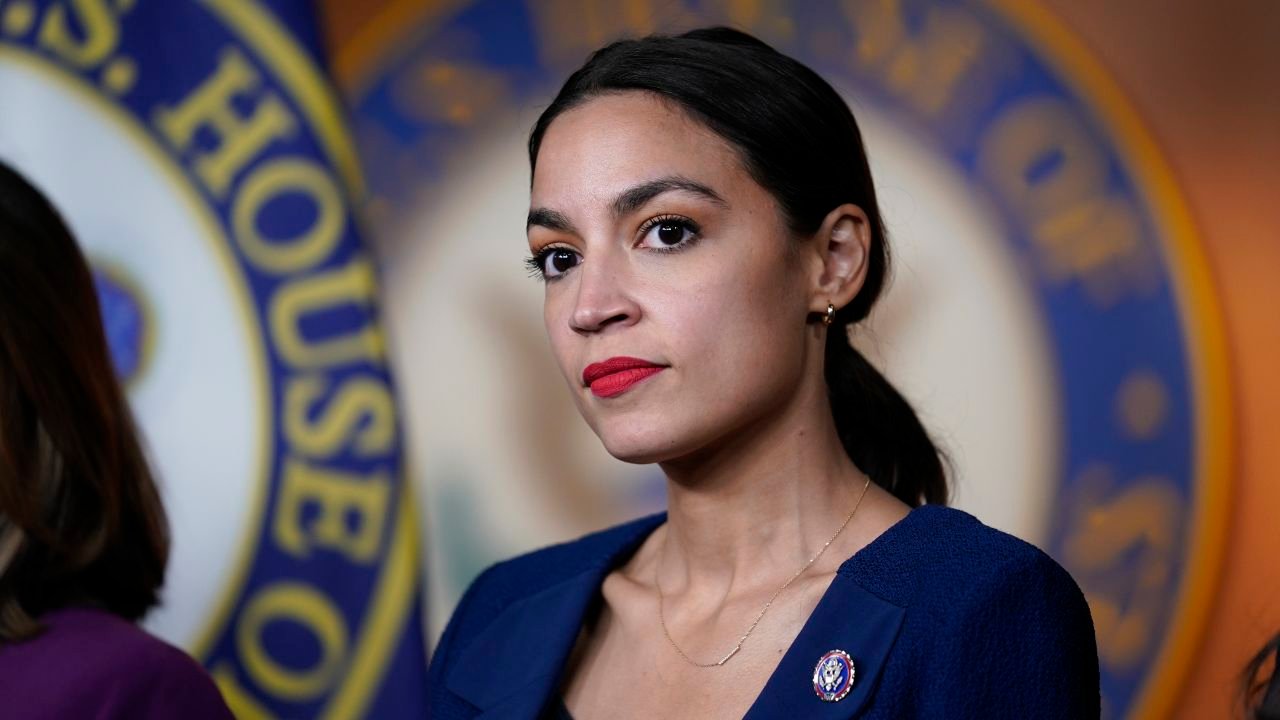
    In a recent video, U.S. Representative Alexandria Ocasio-Cortez, often referred to by her initials, AOC, criticized the Food and Drug Administration for treating sunscreen as a drug. She pointed out that the FDA’s regulations have stymied progress, leading to inferior sunscreen products in the U.S. compared to those available in Europe and South Korea. She encouraged viewers to contact their congressional representatives about this concern.

    AOC is a prominent member of The Squad, a group of U.S. representatives with progressive stances that frequently place them to the left of much of the Democratic Party, and she is also a member of the Democratic Socialists of America. As a consequence, her call for less restrictive sunscreen regulation has surprised many. Several prominent conservatives and economic liberals have expressed appreciation for her stance.
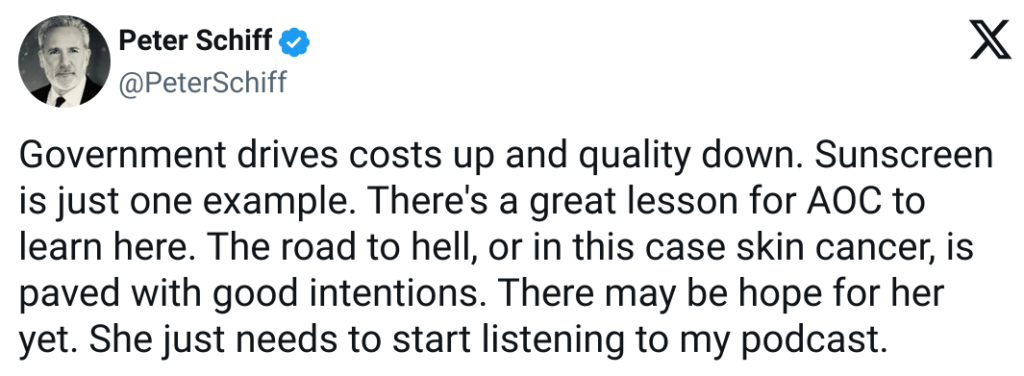

    Peter Schiff Tweet

    Matthew Yglesias Tweet

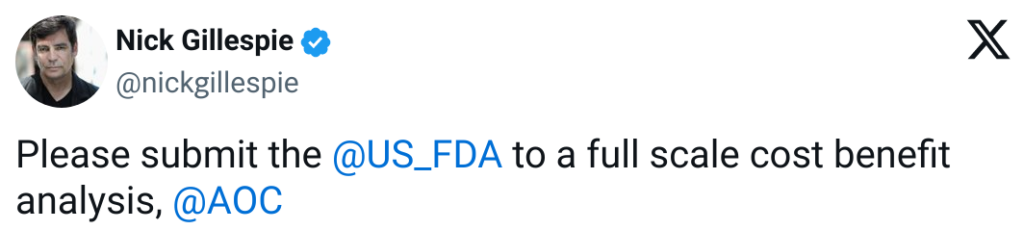
    Nick Gillespie Tweet

    A week prior, she released a video in which she expressed frustration over the NYC Sanitation raid that disrupted the bustling economic activity in Corona Plaza. Many street vendors were operating without proper licenses due to the limited availability of those licenses despite the clear demand for their goods and services. Both videos highlight an unexpected alignment in policy objectives between her and economic liberals.

    These videos underscore the value of building coalitions in a representative democracy. Although we might align ourselves with specific political factions, we will often find common ground with those we might typically disagree with. It’s our hope that AOC collaborates with other members of Congress to amend the FDA’s approach to sunscreen, ensuring that all Americans can safely enjoy the outdoors, and that she is successful in enabling more small businesses and entrepreneurs to operate in New York City.
  • Denmark Announces Plan to Restrict Speech

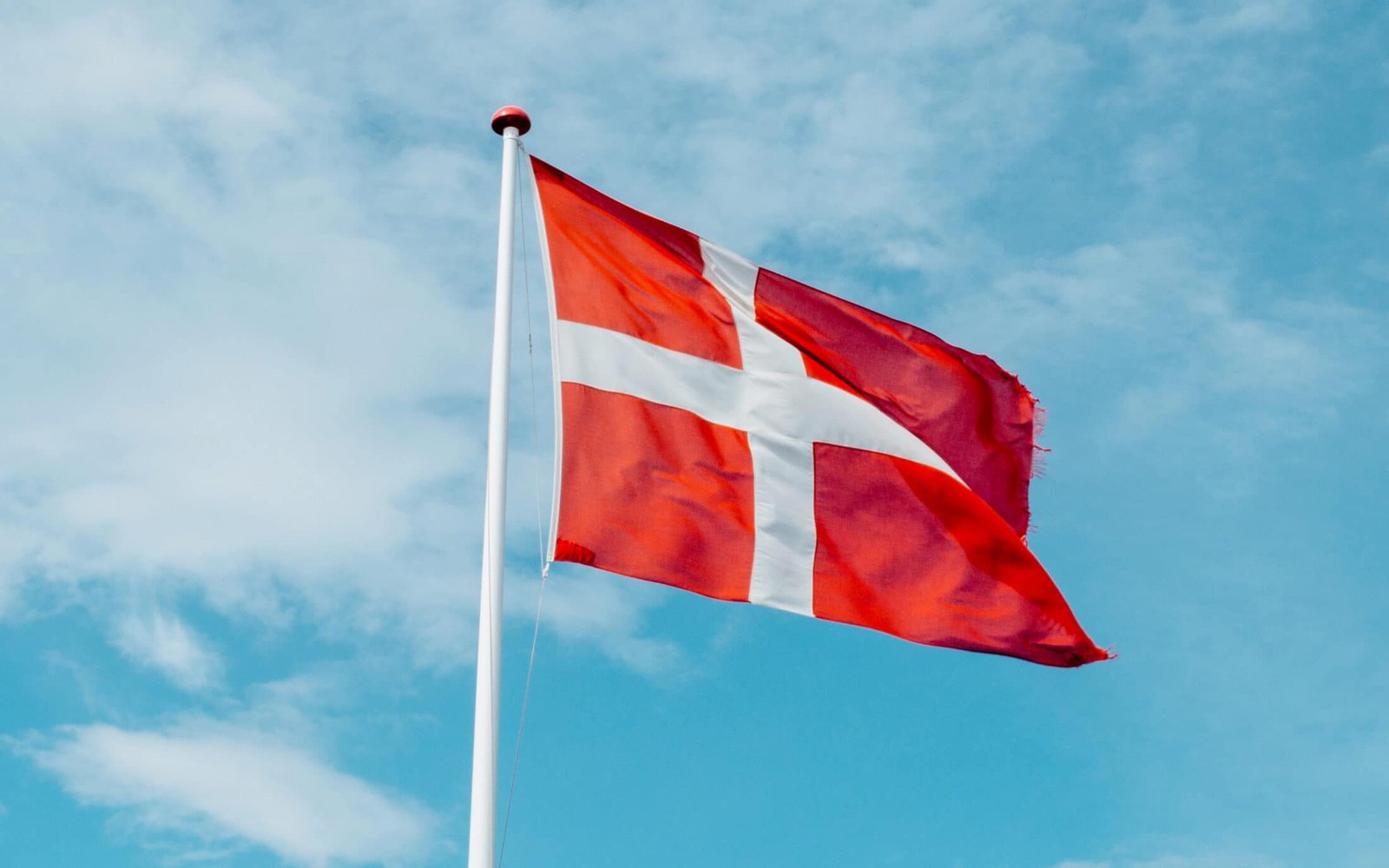
    Denmark Announces Plan to Restrict Speech

    In the United States, the freedom to speak openly, even when our words might be deemed offensive or brash, is a privilege many of us take for granted. While there might be social backlash for certain expressions, it is the First Amendment that prevents legal consequences from muzzling our speech.

    However, a concerning trend is emerging in Europe; restrictions on freedom of speech if said speech offends Muslims. Recently, the Danish government has expressed their intent to review and potentially curtail free speech rights, especially in situations where religious or cultural sentiments are at stake. This seems primarily influenced by the grievances of the Muslim community over perceived derogatory comments or actions towards Islam.

    The Danish Patriots, a group that has caught much attention, provides a vivid example. They have publicly burned copies of the Quran in protest against what they term the “Islamification” of Europe. Such an act is deeply offensive to Muslims, who revere the Quran as the sacred word of God conveyed through the Prophet Mohammad.

    While the motivations behind such a provocative act by far-right groups might be suspect, their right to express themselves in such a manner shouldn’t be. As previously discussed, the freedom of speech is a foundational pillar for any liberal society, and this freedom extends even to those whose views we might find most repugnant.

    It becomes all the more concerning when it appears that one particular religion, Islam, is granted unique protections. Rarely do we witness European governments scrambling to ensure they don’t upset Christians, Buddhists, or adherents of other religions. This uneven treatment, whether intentional or not, affords Islam a distinct privilege that isn’t extended to other faiths.

    Of course, the rationale for such protection isn’t wholly unfounded. Europe has witnessed several devastating attacks by Islamist extremists in retaliation to what they deem blasphemous or offensive speech. This places European governments in the delicate position of balancing the fundamental rights of their citizens with concerns for public safety.

    Yet, suppressing free speech isn’t a long-term solution. Rather than fostering safety, it will simply embolden the very extremists it seeks to mollify. By ceding to their demands, we incentivize more aggressive demands in the future. Islamist extremists envision a global theocracy under their interpretation of Islam; simply refraining from overtly offensive acts won’t satiate such an expansive goal.